

Story of the week
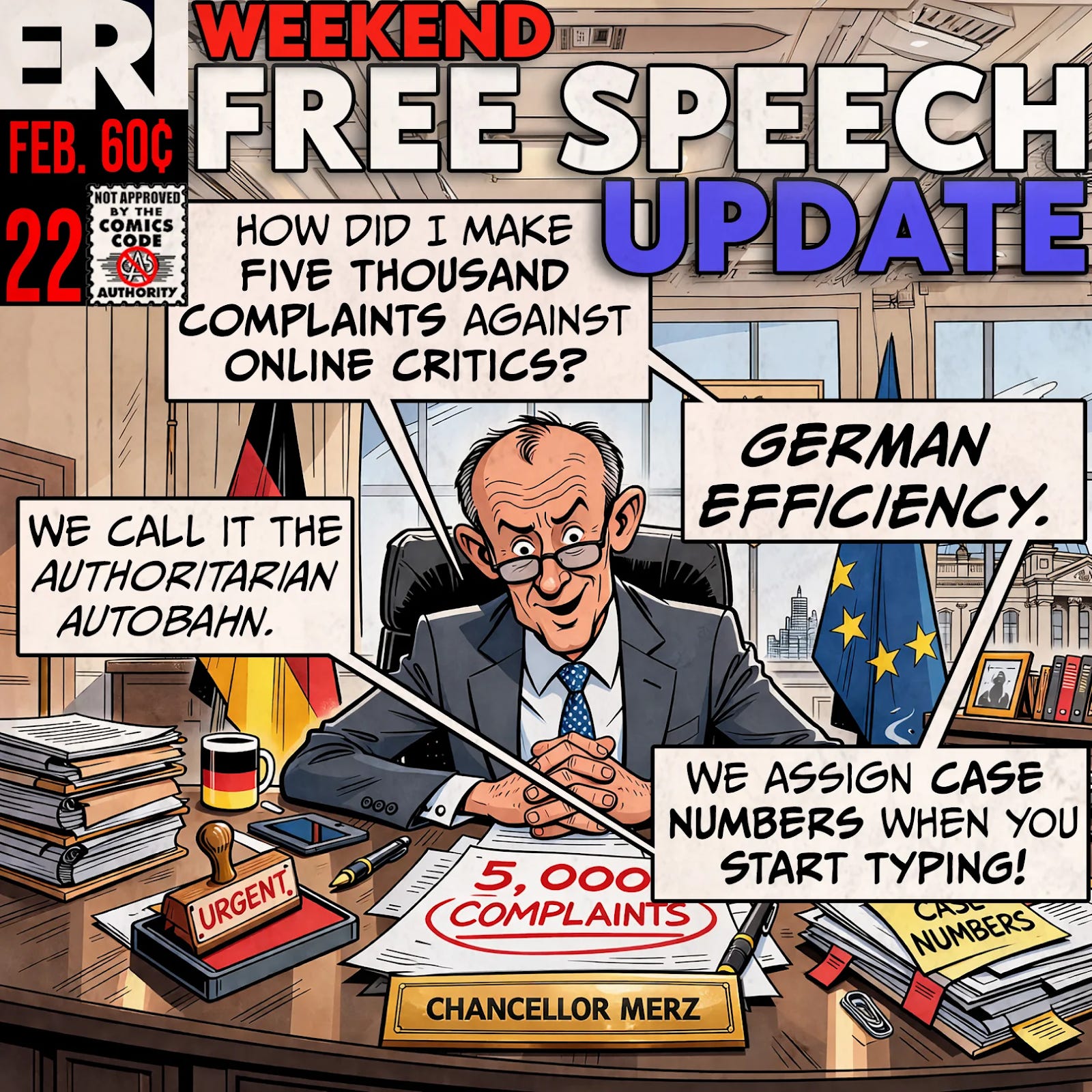
German chancellor echoes the frequent — and illiberal — call to end online anonymity by Sarah McLaughlin
It’s one thing to praise the value and benefits of speaking out under your true identity, but German citizens have reason to be troubled by Merz’s comments. For one, given the extent to which Germany and European nations regulate internet speech, Merz and other officials may indeed push for further rules that require social media users to post under their real names. Second, and most importantly, what you post online can already have consequences in Germany. There are very real risks of telling the world who you are when you tell them what you think.
This week in ERI
This week in Expression
Ruling on Palestine Action ban casts even more doubt on UK’s troubling mass arrests of peaceful protesters by Sarah McLaughlin
Deep dive into New York’s proposals to ban demonstrations near houses of worship
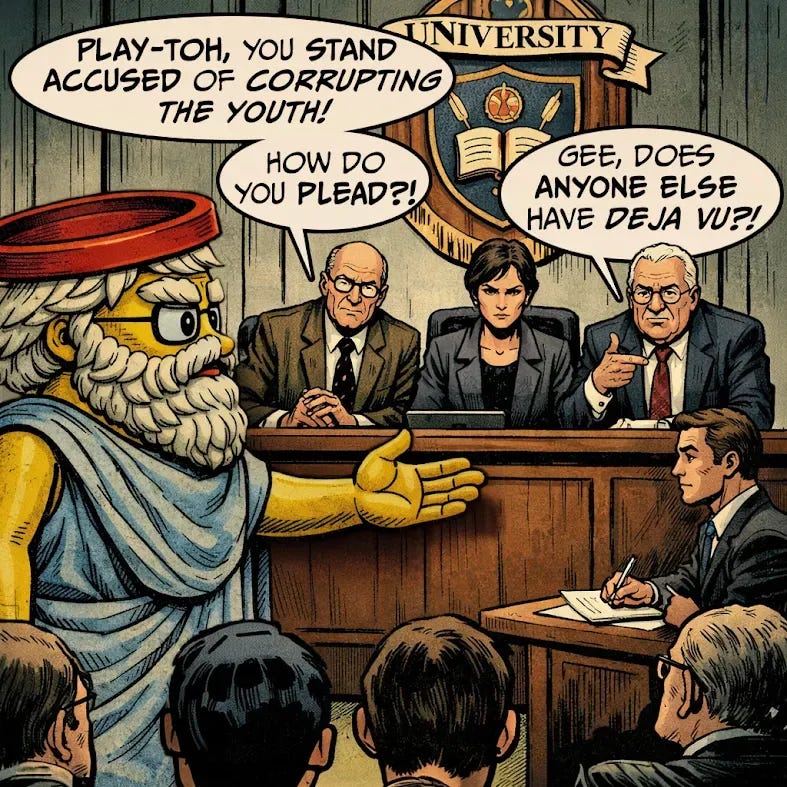
This is no way to run a university by me (originally published Jan. 12 in the New York Times)
This week on So to Speak
This week, FIRE opened our monthly member webinar to the public. COO Alisha Glennon, Legal Director Will Creeley, Director of Public Advocacy Aaron Terr, and Campus Advocacy Chief of Staff Connor Murnane answered viewers’ questions on topics ranging from Stephen Colbert’s fight with the FCC to social media censorship, anti- and pro-ICE cases on campus to the Don Lemon arrest, and more.

This week in FIRE’s blog
He refused to censor his syllabus — so Texas Tech cancelled his class by Graham Piro
FIRE statement on Stephen Colbert’s James Talarico interview and continued FCC pressure
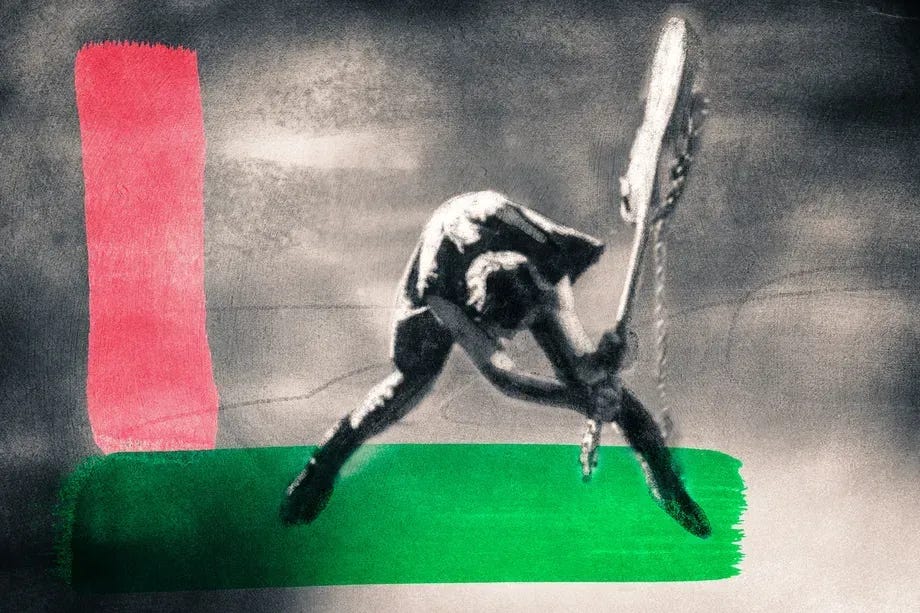
London Calling: Ronnie’s First Amendment Roundup
California federal court preliminarily enjoins application of state community college DEIA requirements to history professor’s teaching and scholarship, work with a DEIA-opposed campus group, and speech as a public academic or private citizen
The federal court for the Eastern District of California issued a preliminary injunction on a professor’s pre-enforcement, as-applied challenge to prohibit Bakersfield College and Kern Community College District from enforcing against him two California Code of Regulations provisions that require “teaching, learning, and professional” practices that reflect diversity, equity, inclusion, and accessibility and anti-racist principles, and demonstrating “proficiency in DEIA-related performance to teach, work, or lead within California community colleges.” The court held the professor showed his intended speech in opposition to DEIA regulations and state DEIA policies involves matters of public concern, and that to the extent the rules chill that speech in his teaching or scholarship, his work with the Renegade Institute for Liberty (a campus “dissident faculty” group opposed to DEIA), or as a public academic or private citizen engaged in extracurricular speech, they implicate his First Amendment rights. In fact, the court held, “it is hard to envision how any reasonable interpretation” of “‘teaching [and] learning ... practices’ would exclude his course lectures and classroom discussions” or that, “if defendants determine [his] speech does not sufficiently ‘reflect DEIA ... principles,’” how he avoids “being found to be failing in ‘DEIA-related performance’” such that “his job would be on the line.”
The court then held defendants failed to identify any legitimate administrative interests that outweigh the professor’s speech rights (while noting they agree he is “free to express his views in his scholarship and teaching” as well as “outside of his employment with his ‘off-duty’ speech”). Rather, the court held, they asserted “merely a generalized interest” in “efficiently carrying out [the State’s] educational mission, ensuring teaching excellence, and in securing equal education opportunity for students,’” and “in being able to ‘review the content of faculty scholarship and teaching,’ ‘favor particular scholarship interests and approaches,’ and establish ‘academic standards for the quality and method of delivering instruction to students.’” A public college does have, the court noted, “a legitimate interest in exercising certain control over its curriculum and in ensuring faculty members’ compliance with academic and teaching standards,” such that “the First Amendment would not protect a faculty member who fails to satisfy a minimum level of academic competence, or … who insists on lecturing a captive student audience at length on his personal political views rather than teaching his assigned math course.” But the administrators here neither cited any speech by the professor that would fail to meet such academic competence or course requirements, nor alleged that regulating his speech is “required to prevent discrimination or harassment” or that he “intends to engage in derogatory speech entitled to lesser First Amendment protection.”
At the same time, the court held the professor failed to establish likely success on his challenge to the requirement that he complete mandatory DEIA training in order to participate on faculty screening committees, citing the government’s authority to express views through such training and the absence of record evidence showing it requires the prof to personally endorse government views or perspectives as his own. The court also held the professor’s role in his official capacity on the College’s Equal Opportunity & Diversity Advisory Committee involves government speech rather than his own First Amendment-protected activity, as he did not show the role is sufficiently connected to scholarship or teaching. And the court also held the professor not likely to succeed on his facial challenge to the DEIA rules—given they “apply to a range of non-speech conduct” “such as grading anonymously, using lower-cost course materials to reduce student costs, or creating additional opportunities to discuss feedback with students [that] constitute ‘DEIA-proficient teaching, learning, and professional practices’” under the regulations—as he thus failed to show the rules prohibit a substantial amount of protected speech relative to their plainly legitimate sweep.
So, the court entered a preliminary injunction barring application of the DEIA requirements to the professor’s teaching and scholarship, his work with extracurricular groups, and his public speaking as an academic or private citizen, carrying out its charge on remand from the Ninth Circuit, which had revived the case last summer (an outcome for which FIRE advocated) for consideration of preliminary injunctive relief in the first instance, after the district court had originally dismissed it for lack of standing.
International free speech stories of the week
Musk launches landmark legal battle against ‘biased’ Brussels over €120m fine (The Telegraph) by James Titcomb
VPN crackdown in Spain, as LaLiga raises against pirates (Cybernews) by Paulina Okunytė
Clip of the week
FIRE Executive Vice President and host of the So to Speak podcast Nico Perrino was on CNN this week to discuss the FCC, Stephen Colbert, and what the actual rules are when it comes to broadcasting.
To quote Commissioner Gordon:

Merz is a poopyhead. Heck, Trump is a poopyhead.
What I just wrote is a crime in Germany. Two counts.
Since the link to the story of the week was apparently omitted, here it is:
https://www.fire.org/news/blogs/free-speech-dispatch/german-chancellor-echoes-frequent-and-illiberal-call-end-online