


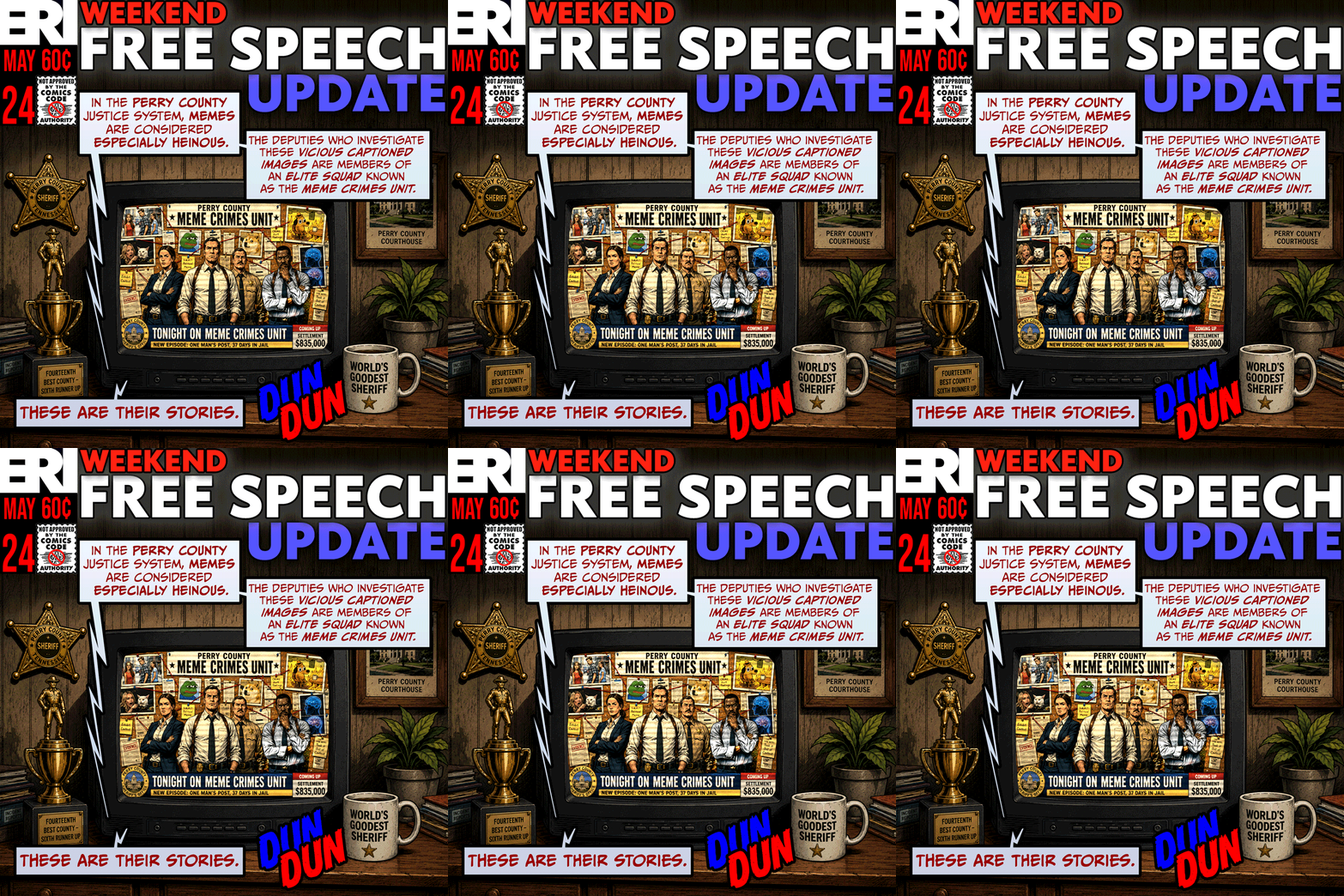
Story of the week
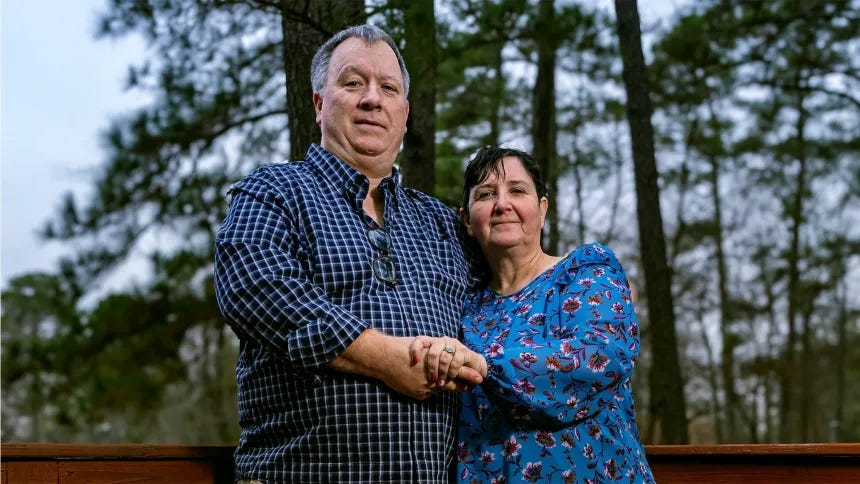
And, in case you missed it, check out my NYT piece on the case from back in November: A Retired Police Officer Posted a Meme. It Earned Him 37 Days in Jail.
This week in ERI
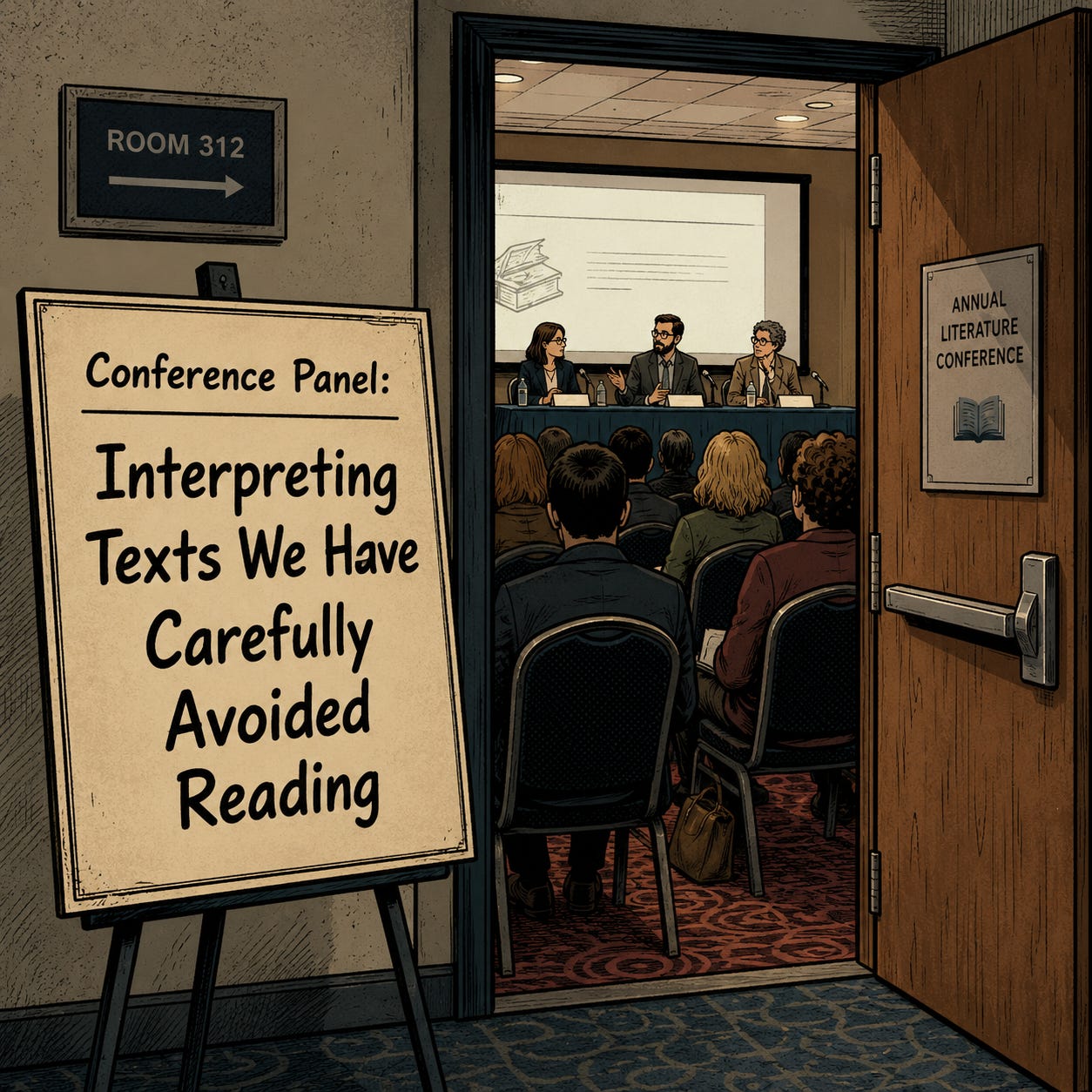
This week in Expression
This is not a new problem. FIRE’s deplatforming database documents instances of campus censorship going back to 1998. Amazingly, 48% of all deplatforming efforts succeed, with 959 out of 2,000 recorded attempts resulting in a cancellation, disruption, or a similar outcome. Since 2014, the problem has exploded. In the 12 years since, our data shows that 67% of all recorded deplatforming attempts have taken place in this span of time. Commencement speakers make up about 19% of all campus disinvitation campaigns, targeting 382 speakers out of 2,000 total disinvitation efforts. Why does it keep happening?
Thomas Paine: American history’s winter soldier by Matthew Harwood
How two Clemson professors fought a wave of censorship by Graham Piro
Sticker shock: lawsuit claims Nevada student expelled for pro-ICE emblems by Adam Goldstein
This week in FIRE’s blog
“Americans deserve to know more about this database, starting with whether it exists,” said FIRE attorney Jacob Gaba. “The First Amendment prohibits the government from retaliating against peaceful protesters, including by putting their names and faces in a shadowy database.”
A Marine takes the stage for free speech by Will Harris
Rich Thau, veteran public opinion strategist, joins FIRE’s Advisory Council
FIRE in the press!
A post after Charlie Kirk’s death never should have landed our client in jail (MSNOW) by Cary Davis
MSU needs more transparency, not less dissent (The Detroit News) by Greg Harold Greubel
International free speech stories of the week
Reform’s immigration TikTok reinstated after being deleted ‘in error’ (LBC) by Asher McShane
Canada House of Commons Tracks Online Posts About MPs (Reclaim The Net) by Cindy Harper
London police were out in force to deal with rival rallies and a soccer final (AP) by Pan Pylas
Live facial recognition will be used for the first time in a protest policing operation, with cameras set up in the north London neighborhood of Camden that is not on the route of the “Unite the Kingdom” march, but which is expected to be used by a lot of people attending the event.
‘Greg on the Run’
I really can’t overstate how excited I am about Replication Radar. If successful, it could provide proof of concept for my ambitious “Knowledge Crawler” idea to comb through the corpus of human knowledge in order to identify shoddy research and obscure gems.
TV Show of the Week
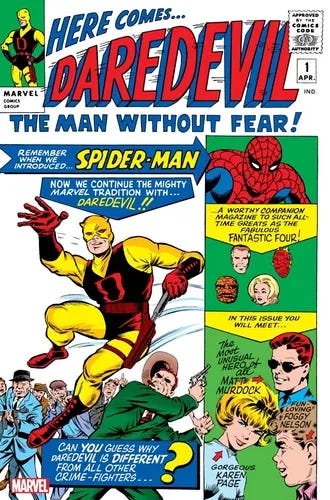
Daredevil, a.k.a. Matt Murdock, is Marvel’s blind-lawyer-turned-vigilante, originally created by Stan Lee and Bill Everett, with some early design input from Jack Kirby. He first appeared in Daredevil #1 in April 1964. As a boy, Matt was blinded by a radioactive substance while saving a man from an oncoming truck, but the accident also heightened his remaining senses to superhuman levels and gave him a kind of “radar sense.” By day, he is a defense attorney in Hell’s Kitchen. By night he becomes Daredevil, the Man Without Fear.
But it wasn’t a particularly popular comic book. Daredevil was nearly canceled more than once. In the 1970s it even rebranded itself Daredevil and the Black Widow in an effort to give the book a boost. (Yes it’s true, Hercules and Matt Murdock are the dominant man-whores of the Marvel universe).
But when Frank Miller took over the comic around 1980, Daredevil went from a marginal property to one of Marvel’s most important literary comics. Miller brought noir, Catholic guilt, urban decay, ninjas, Elektra, Bullseye, Stick, the Hand, and a genuinely tragic moral atmosphere to a character who had often been treated as a second-string Spider-Man.
And the amazing thing is that Daredevil kept attracting writers and artists who understood that Matt Murdock works best when he is being morally, spiritually, physically, and psychologically put through hell. Ann Nocenti and John Romita Jr.’s classic run pushed the book into stranger, more political, more psychologically intense territory, giving us stories about corruption, feminism, environmental damage, poverty, violence, and temptation without ever forgetting that it was still a superhero comic. Later, Brian Michael Bendis and Alex Maleev brought the noir realism roaring back, putting Matt’s secret identity, legal career, friendships, enemies, and sanity into one big pressure cooker. Ed Brubaker, Mark Waid, Charles Soule, and Chip Zdarsky all found different ways to keep the depth and power of the character alive.
Amazingly, the Netflix version of Daredevil really caught that. The series ran for three seasons from 2015 to 2018, with Charlie Cox as Matt Murdock, Deborah Ann Woll as Karen Page, Elden Henson as Foggy Nelson, Rosario Dawson as Claire Temple, Vincent D’Onofrio as Wilson Fisk, Élodie Yung as Elektra, and Jon Bernthal as Frank Castle. I’d argue that those three seasons were masterpieces, particularly in how they expanded the legend of Elektra, made Karen and Foggy feel like real human beings rather than sidekick furniture, and captured Kingpin as a genuinely Shakespearean villain. But the biggest surprise for me was the Punisher. I had always genuinely disliked the character and found him deeply one-dimensional: a walking revenge fantasy with a skull on his chest. The Netflix series transformed him into one of my favorite Marvel characters, thanks in no small part to the pitch-perfect casting of Jon Bernthal, who gave Frank Castle grief, rage, tenderness, moral horror, and terrible charisma all at once.
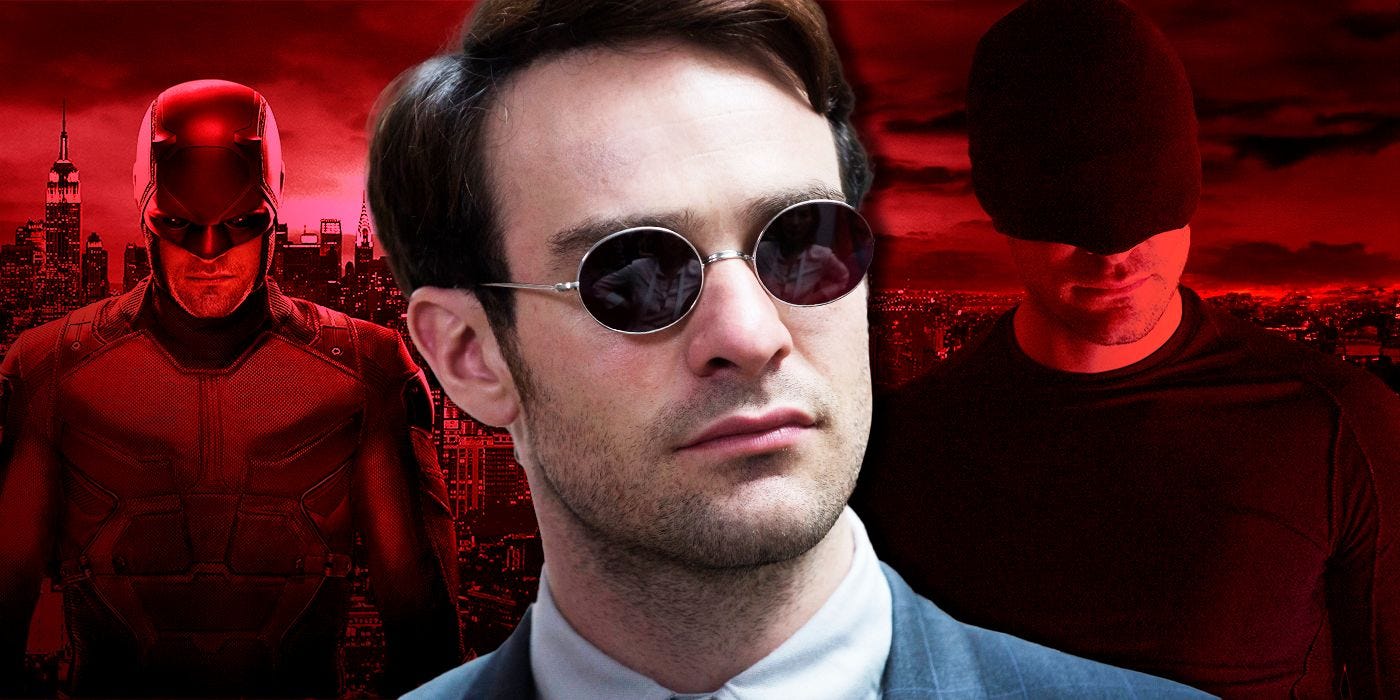
So when Disney brought the character back for Disney+, I was, like a lot of fans, worried. There were hints early on that we might be getting “Daredevil Lite.” But even in the first season of Daredevil: Born Again, they mostly kept it grim, grounded, and morally serious from the opening episode.
The big question was what would happen in season two. Having just finished it, I was not the least bit disappointed. It keeps what was excellent about the comic and the original series, but with what looks like a much larger budget: more action, more color, more detail, and a bigger sense of New York as a living, corrupt, dangerous place.
I highly recommend Daredevil: Born Again season two. And if, God forbid, you haven’t seen the Netflix series from the very beginning, go back and study it. Hell, while you’re at it, buy yourself some trade paperbacks, start with Frank Miller’s first Daredevil work, and keep going.
Why didn’t FIRE defend Douglass Mackey when he was prosecuted over a meme?
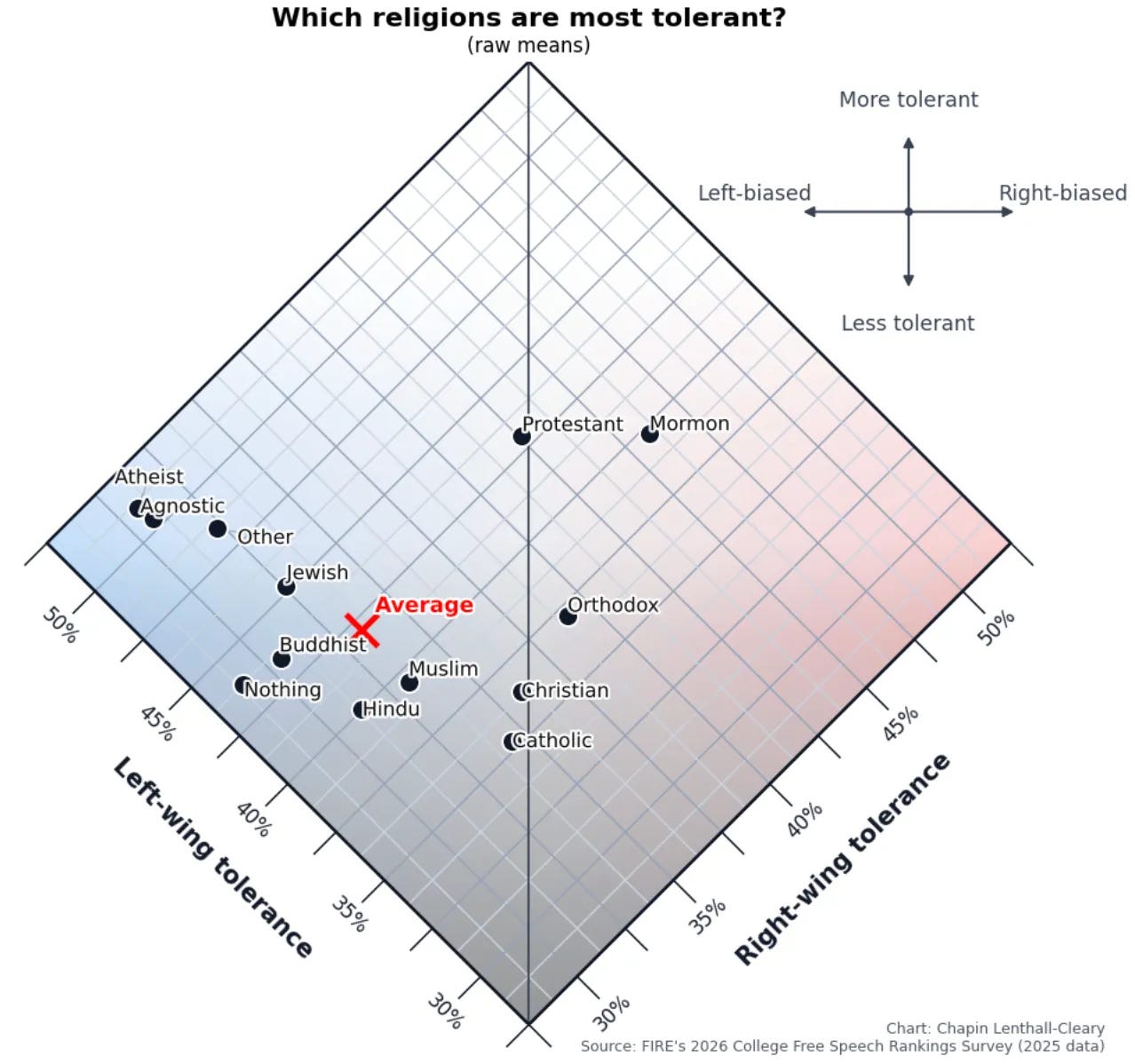
I take exception to classifying Athism and Agnosticism as "left-wing."