


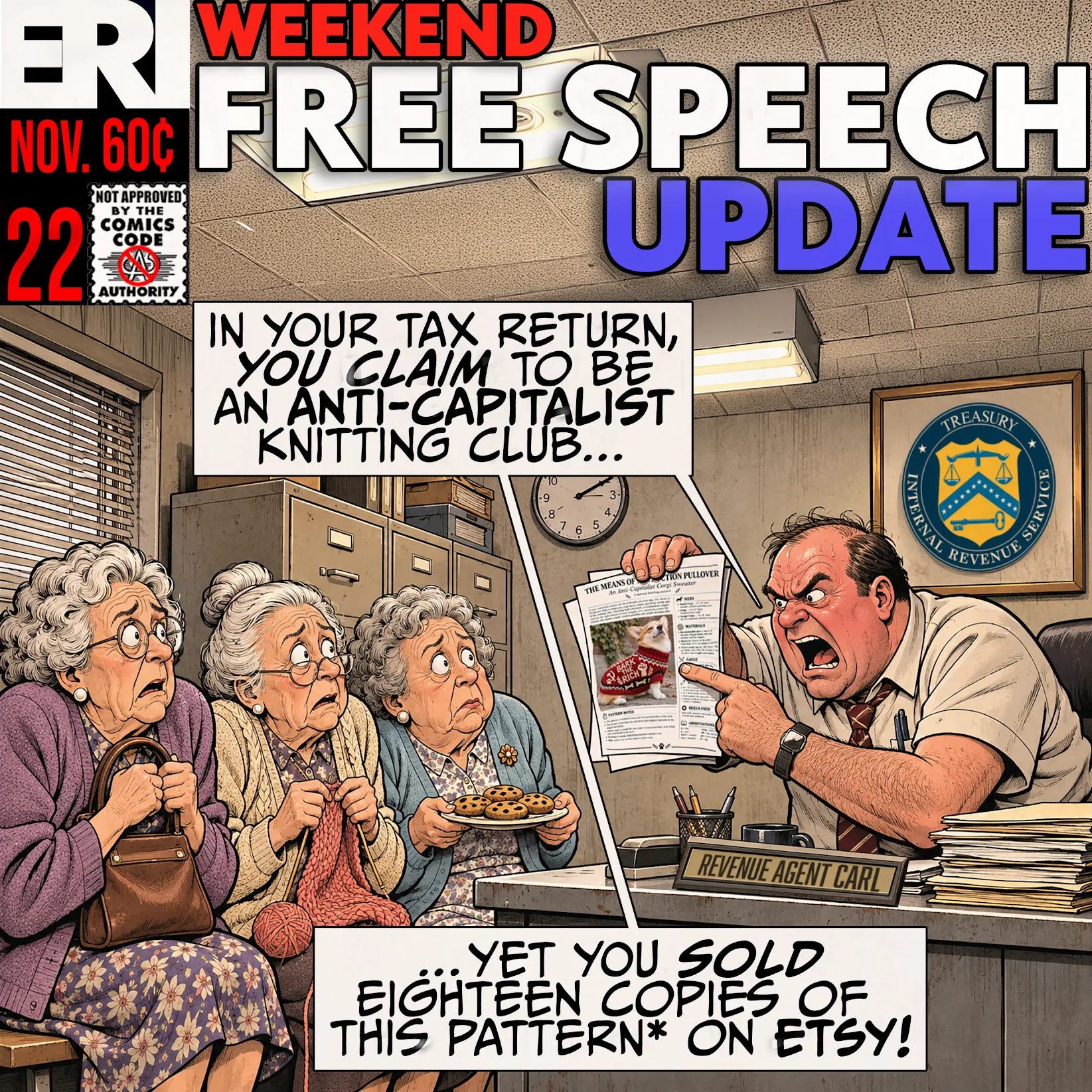
Stories of the week
“I ran on a promise to shrink the county government,” said Adriane. “I believe that eliminating the county treasurer’s office will save taxpayer money. That’s what I told the voters, and that’s what they elected me to do. Rather than accept that, the county punished me for my speech. The ones who are really being punished are the voters who chose my vision for how their government should work for them.”
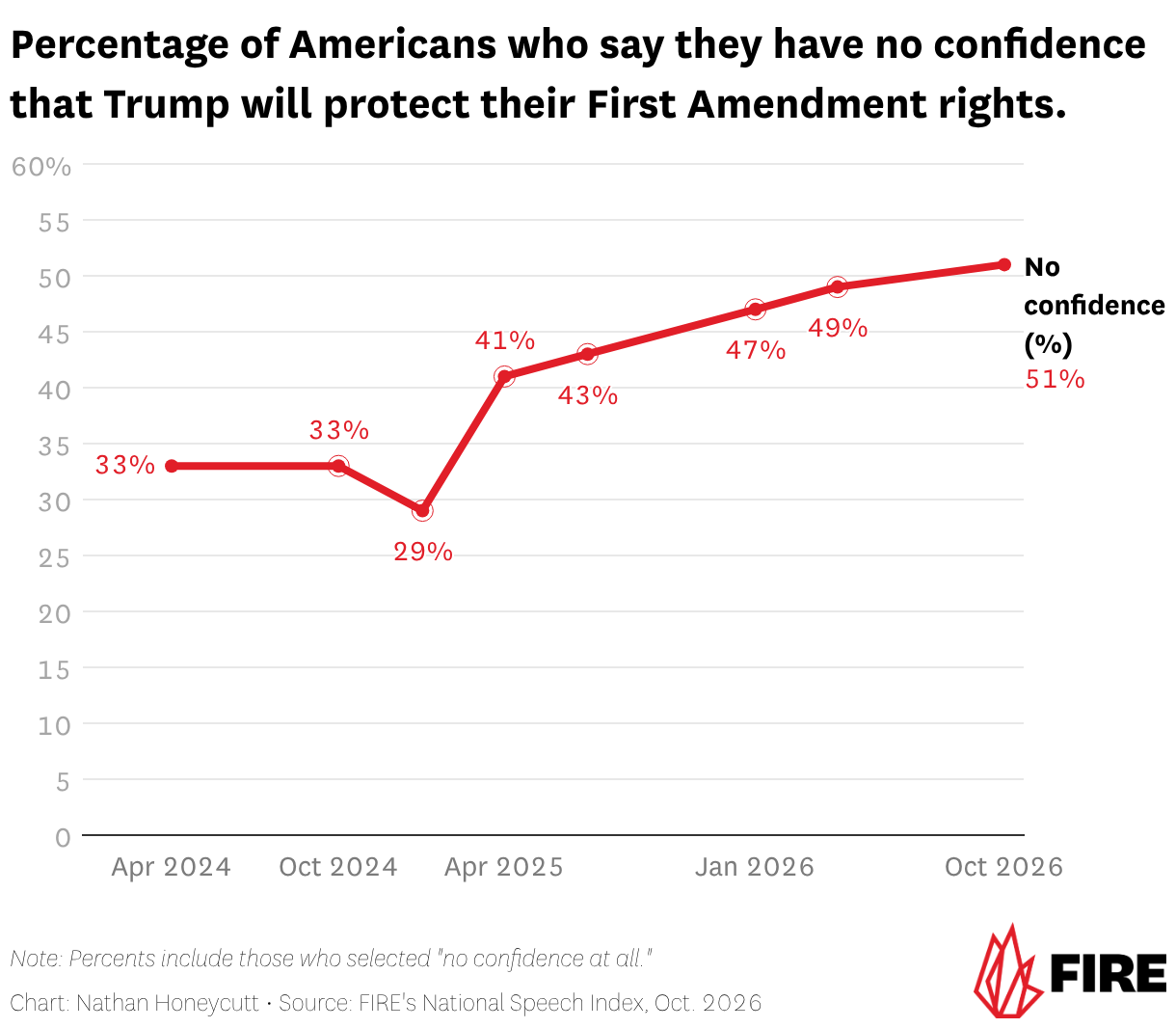
We don’t yet know whom the IRS is investigating. It’s possible some of the cases involve actual crimes. But when a government task force operates under a presidential directive singling out disfavored political views as grounds for suspicion, it’s hard to trust that it’s investigating people for what they did rather than what they believe.
Learning and inquiry are at the heart of higher education. Universities exist so students and faculty can pursue knowledge, challenge beliefs, and debate ideas. Nobody can learn from or challenge Bovino if he isn’t allowed to make his beliefs heard to the willing audience.
This week in ERI
The Status Quo Rebels

Thank you to everyone who signed up to become paid subscribers to read part 1 and part 2 of Breaking the Academic Filibuster, my book-length argument for why now is the time for higher education reform, how fiercely the higher education establishment will fight to preserve a downward-spiraling status quo, and how we can think big about fixing higher education so it can better help us understand the world as it is.
This week in Expression
This week on So to Speak
This week, So to Speak host & FIRE EVP Nico Perrino spoke with law professor and author Samantha Barbas about the history of hate speech protections in America from the rise of American Nazi movements to the landmark Skokie controversy, the role of civil rights groups in shaping modern free speech protections, and whether counterspeech is an effective alternative to censorship.
This week on FIRE’s blog
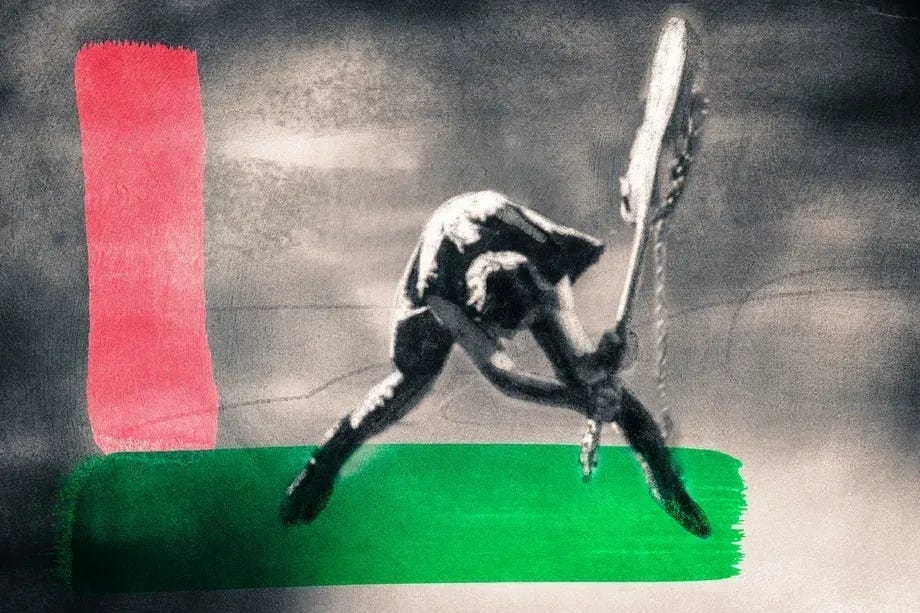
London Calling: Ronnie’s First Amendment Roundup
Ninth Circuit holds that penalizing membership in a motorcycle club without any evidence of individual wrongdoing violates the First Amendment freedom of association
The U.S. Court of Appeals for the Ninth Circuit reversed the dismissal of constitutional challenges to a county’s revocation of a concealed-carry firearms license based on the holder’s affiliation with a motorcycle club without any evidence he engaged in criminal wrongdoing, holding those facts adequately allege violation of his First Amendment right of free association.
The case arose after San Diego’s sheriff used a former “good moral character” requirement in the county’s concealed-carry regime to revoke the plaintiff’s license despite a clean record with no criminal history, based on his membership in the “Boozefighters Motorcycle Club,” which was founded in 1946 by World War II veterans and is described as focusing on charitable work, but which the sheriff deems a “criminal street gang.”
The court noted that while freedom of association “is not explicitly set out” in the First Amendment, “it has long been held to be implicit in the freedoms of speech, assembly, and petition” such that it “guarantees all Americans the right to associate with others.” Therefore, it explained, the government “cannot impose criminal sanctions or deny rights and privileges solely because of a citizen’s association with an unpopular organization.” Rather, if it “seeks to deprive an individual of a benefit, privilege, or right based on association with an alleged criminal organization, it is necessary to establish that the group itself possessed unlawful goals and that the individual held a specific intent to further those illegal aims,” with the government having the burden to prove the unlawful goals and the individual’s “specific intent to further” them.
And here, the court held, the plaintiff “easily pleaded a violation of his freedom of association. He asserted that the San Diego County Sheriff revoked his CCW license solely based on his membership in the Boozefighters Motorcycle Club—an organization he alleges is known for its charitable activities and community-oriented initiatives,” which “the Sheriff’s letter … conclusorily labeled a criminal street gang.” These pled facts “sufficiently raise an infringement of Shilling’s free-association right because the Sheriff deprived him of a benefit, privilege, or right—the ability to carry a concealed weapon in public—solely because of [his] association with an unpopular organization.” As the court notes: “This kind of “guilt by association alone, without establishing that an individual’s association poses the threat feared by the Government, is an impermissible basis upon which to deny First Amendment rights.” The court accordingly remanded the case to resume in the court below.
International free speech stories of the week
Gray told the appeal hearing he was in dispute with the complainant, telling police in an interview in January 2025 that the report was “malicious”, with the intention of getting him a criminal record so he could no longer foster children.
He said he had around 15 to 20 Facebook followers, although Ms Mellor pointed out his posts could be shared more widely.
In her closing submission, Ms Mellor said: “People are entitled to make comment.
“The question is, does this post cross the threshold into ‘grossly offensive’?”
Italy approves anti-semitism law despite concerns over freedom of expression
[UK] Home Office accused of trying to cancel online talk by Andreas Malm
Anti-racism protesters disrupt academic Nathan Cofnas’ speech at Oxford college
Hundreds of protesters turned up outside Oriel College ahead of the speech by Cofnas, who raised his profile earlier this year when he made plagiarism accusations against the late Cambridge professor Jason Arday. The crowds held placards reading “Far right off campus,” and some activists tried to block people from entering the college to attend the talk.
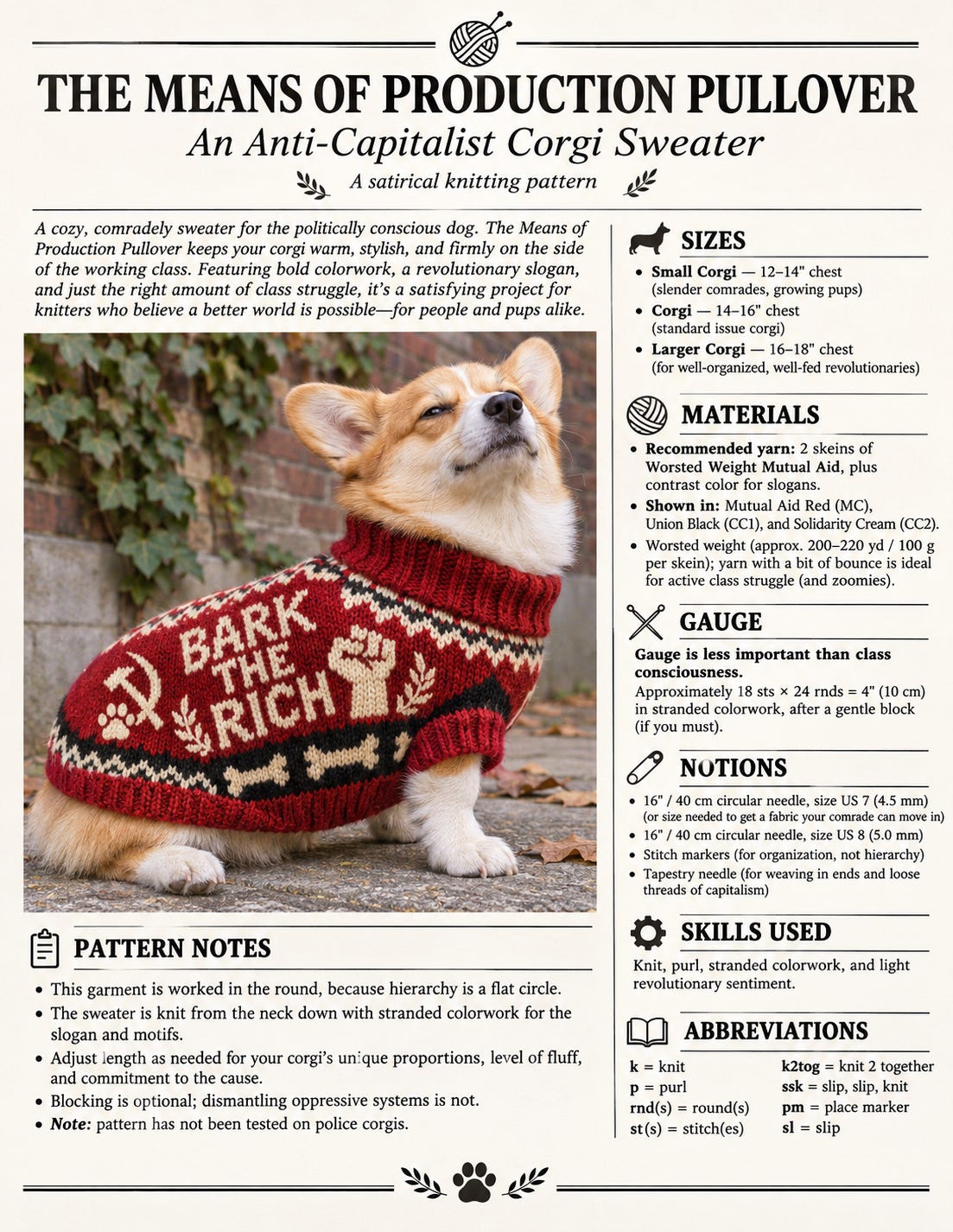
* The pattern in question:
Clip of the season
I had a great time speaking with Heather Berlin live on Substack about the many connections between neuroscience and free speech, a topic that’s been on my mind for years. I even collaborated with the wonderful Barbara Oakley on a free Coursera course, “Speak Freely, Think Critically: The Free Speech Balance Act,” exploring some of these connections.
Heather also pressed me on the question, “Why the hell am I publishing a book on Substack?” It’s a pretty crazy thing to do when you think about it. Rather than go through a traditional publishing house, I decided to publish my latest book-length project, Breaking the Academic Filibuster, directly to readers, one installment at a time. I explain why I made that choice, and why I think this approach makes sense for a project like this.
And with Substack co-founder Hamish McKenzie having a new book of his own, it seems like an especially good time to talk about how books are being written and published. Curious what Hamish, Chris Best, and the folks at Substack think!