

Stories of the week
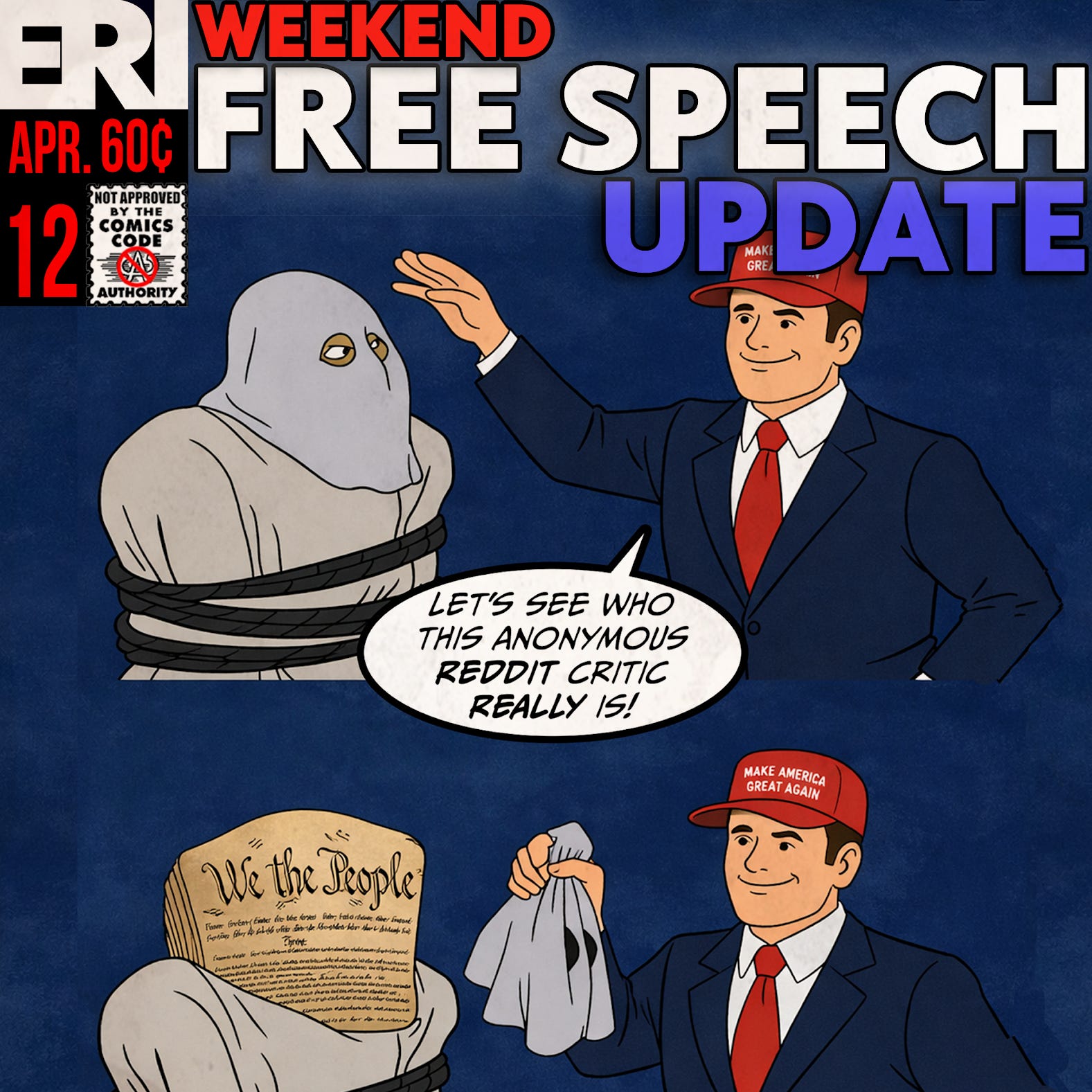
Government critics are not suspects and free speech is not a crime. The First Amendment protects our right to criticize the government anonymously — an American tradition that dates back to the founding. So far, the government hasn’t been able to point to a single Reddit post that’s not protected by the First Amendment.
Not one.
Does Free Speech Have a Future? (The Dispatch) By FIRE Senior Fellow Jacob Mchangama & Jeff Kosseff
The state of free speech in America is somewhat different. In the words of Columbia University’s former president, Lee Bollinger, the First Amendment is “the most speech protective of any nation on Earth, now or throughout history.” The robustness of the First Amendment has acted as a firewall against the kinds of legal restrictions that are hollowing out free-speech protections in other open democracies. But America—and the world—currently are at an inflection point for free speech values. The underlying assumptions of American “free-speech exceptionalism” have lost much of their unifying appeal. While the abstract principle of “uninhibited, robust, and wide-open” debate remains widely supported, unity fractures along deepening identitarian lines when each side’s sacred taboos are violated. This shift toward free speech pessimism is particularly notable among legal scholars, journalists, and pundits who once broadly embraced civil-libertarian First Amendment principles. The rise of large, centralized social media platforms—now integral to the exercise of free speech—has exacerbated this pessimism.
This week in ERI
xAI’s Lawsuit Puts Colorado’s AI Law on a Collision Course With the First Amendment

The most important new AI lawsuit in the country is asking some of the biggest questions of our time: is AI-generated content protected speech? Are the design choices behind it expressive? And how far can the government go in controlling what these systems say? How these questions are answered may determine the future of AI and who gets to define truth …
This week in Expression
UNC Chapel Hill’s students dabbled in satire. Now the university is investigating them by Marie McMullan
Texas State fired two professors for speech — now it’s facing two lawsuits by Graham Piro
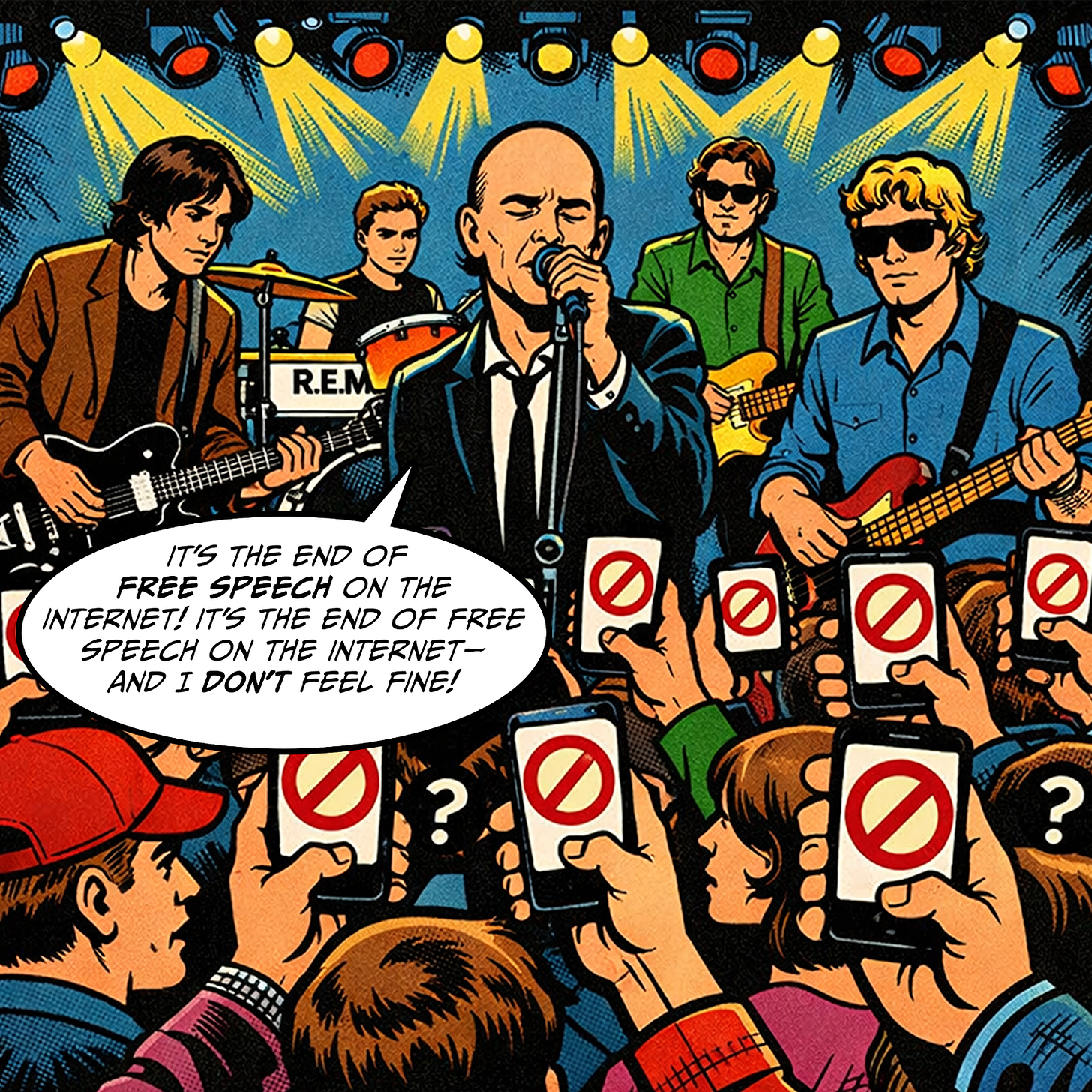
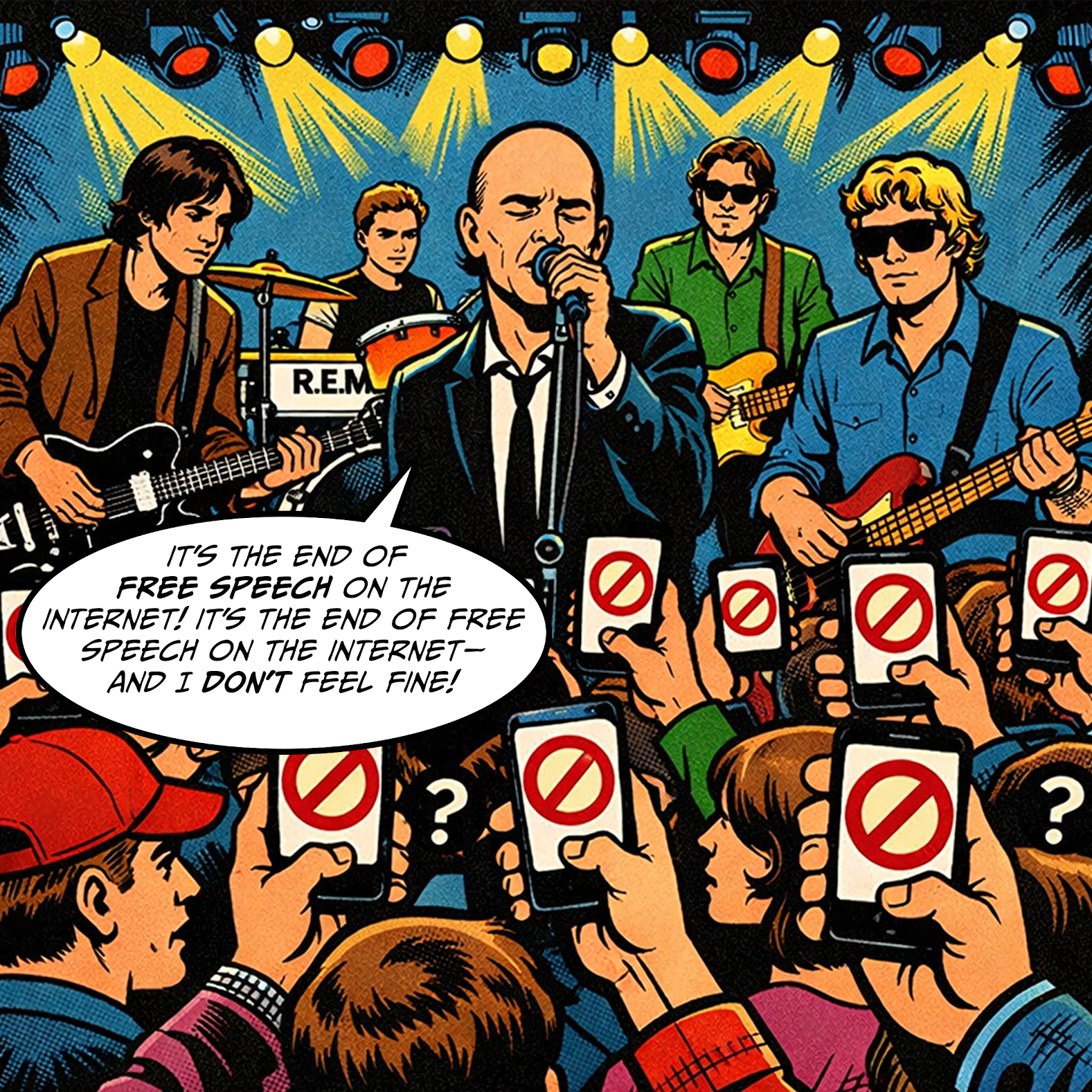
It’s the end of internet anonymity as we know it (and I don’t feel fine) by Sarah McLaughlin
This week on So to Speak
This week was a So to Speak double whammy: First, FIRE EVP & host Nico Perrino talked with Jordan Taylor, historian and author of Misinformation Nation: Foreign News and the Politics of Truth in Revolutionary America, about how misinformation shaped American life in the 18th century.
Then, Nico sat down with The Future of Free Speech at Vanderbilt University Executive Director & FIRE Senior Fellow Jacob Mchangama and The Future of Free Speech Senior Fellow Jeff Kosseff (co-authors of this week’s “Story of the Week” as well as their upcoming The Future of Free Speech: Reversing the Global Decline of Democracy’s Most Essential Freedom) to discuss the global free speech recession.
This week in FIRE’s blog
How silencing medical debates puts patients at risk by Allison Riddoch
If students are not able to engage in these conversations in classrooms and at campus events, with the guidance of faculty and the benefit of diverse perspectives, how can we expect them to do so competently when real patients, real communities, and real consequences are at stake?
Constitutional attorney Casey Mattox joins FIRE Board of Directors
First Amendment scholar Ron Collins joins FIRE’s Advisory Council
FIRE in the press!
While governments may ultimately exercise some authority to determine which non-citizens are able to enter a country’s borders, we should firmly reject the use of those powers as a filtering tool for popular or government-approved speech. It won’t actually make hateful or offensive ideas go away, but it will give governments another tool to regulate and punish speech — including critics and dissenters, too.
International free speech stories of the week
“Greg on the Run” of the week
And don’t forget to follow me on Instagram for my regular musings!